
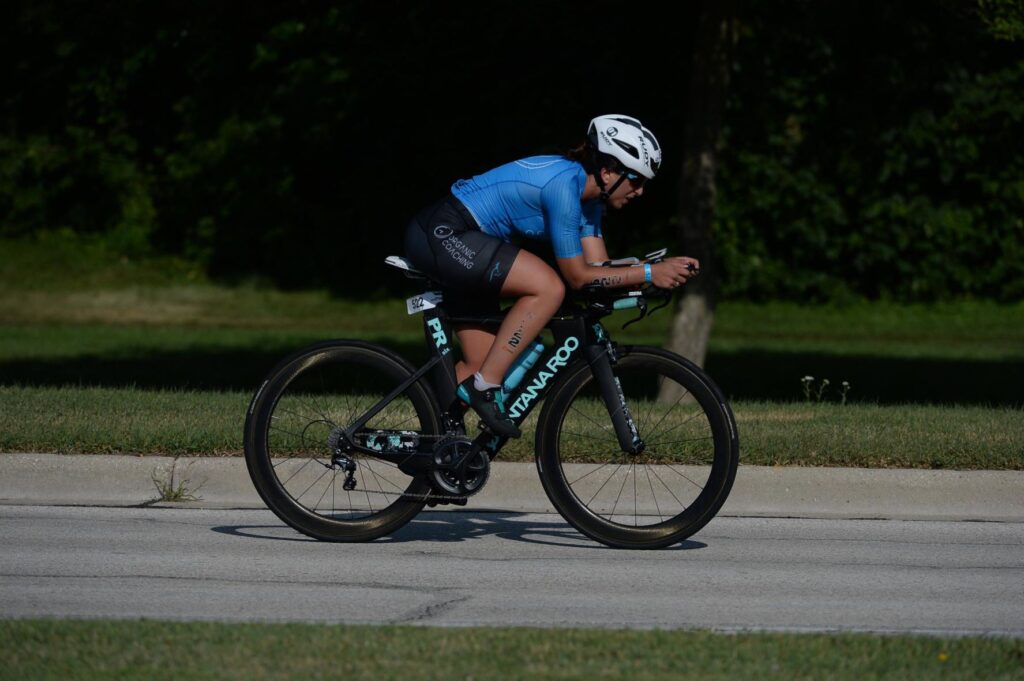
Your race season is over. Maybe you hit a huge PR. Maybe you finally crossed an Ironman finish line. Or maybe your season didn’t go anything like you planned. Whatever happened, there’s a natural temptation to immediately look ahead. But first, you need to do an endurance training season review.
What’s the next race?
What’s my goal for next year?
When should I start training again?
But before you open the race calendar and start planning your next marathon, 70.3, Ironman, or running season, there’s something more valuable you can do: Review the season you just finished.
An end-of-season review helps endurance athletes identify what worked, where training repeatedly broke down, what limited race-day performance, and what needs to change before the next training cycle begins. Because your next breakthrough might not require more training. It might require better training.
Here are five questions every endurance athlete should ask before planning next season.
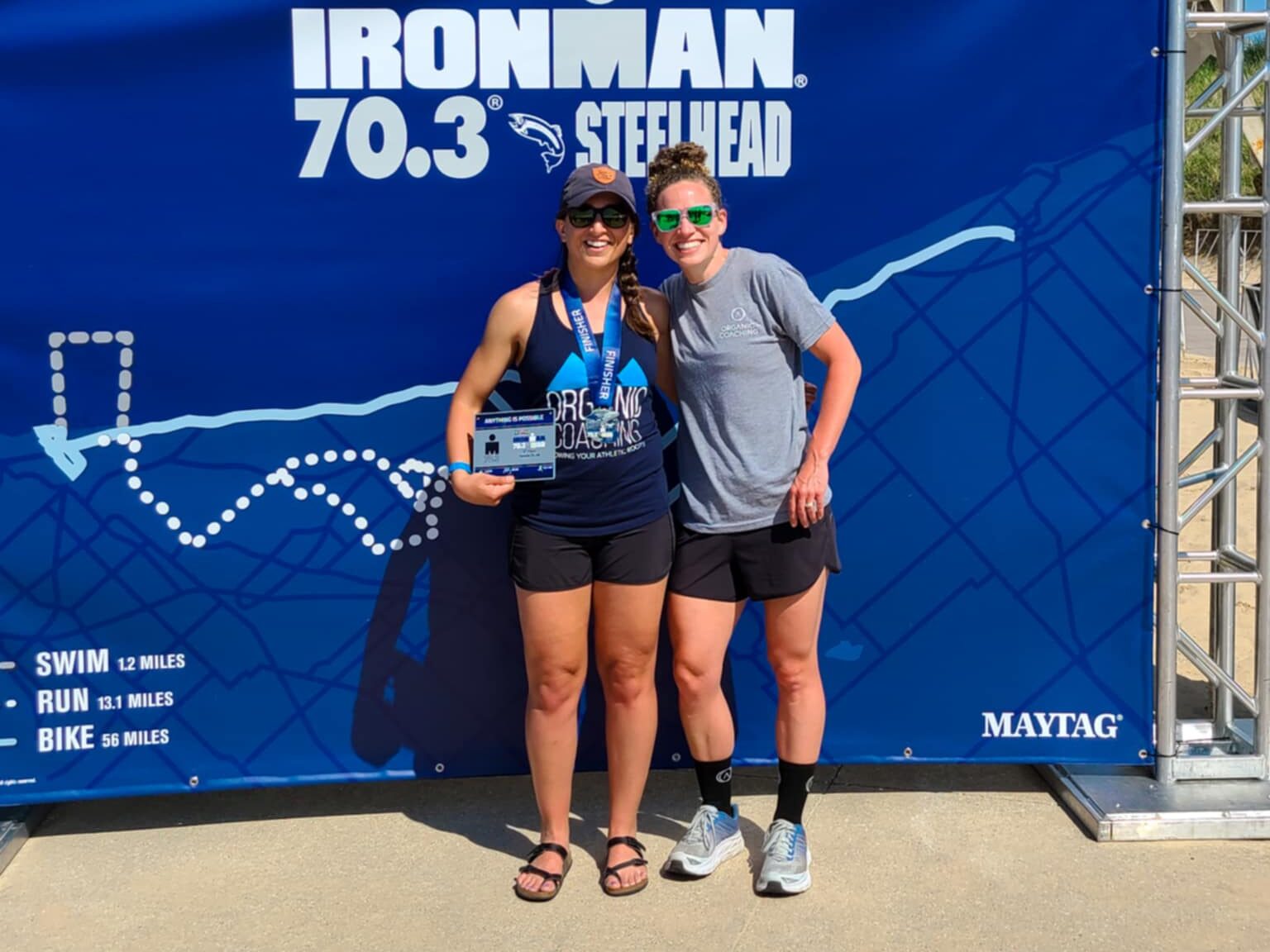
Start with the positive. And don’t immediately look at race results. It’s easy to judge an entire season based on the number next to your name on the results page.
Did you PR? Hit your goal time? Did you qualify? Those outcomes matter, but they don’t tell the whole story. Look at your entire training season.
Maybe you:
Those are meaningful improvements. In fact, some of them may influence your future performance more than a single race result.
Ask yourself: What am I better at now than I was when this season started?
Write those things down. Understanding what worked helps you avoid unnecessarily changing parts of your training that were already successful.
Why Confidence Is Built Long Before Race Day
Next comes the harder question.
Where did things consistently fall apart?
Don’t focus on one random bad week. Look for patterns.
Maybe you repeatedly struggled with:
Were workouts constantly competing with work, kids, travel, or other responsibilities?
Did you train consistently when motivation was high but struggle whenever excitement faded?
Did the same injury or discomfort repeatedly interrupt your training?
Were you constantly tired, sore, or struggling to absorb your harder workouts?
Did long workouts regularly end up squeezed into weeks where they didn’t realistically fit?
Did workouts become easy to skip because nobody knew whether you completed them?
This is where an honest end-of-season training review becomes incredibly valuable. If the same problem happened repeatedly, it’s probably not bad luck. It’s information.
Instead of telling yourself:
“I’ll just be more disciplined next year.”
Ask:
“What needs to change so this problem doesn’t keep happening?”
How to Stay Consistent When Motivation Starts to Fade
Why Accountability Beats Motivation Every Time
This might be the most important question of all. A training plan can look perfect on paper and still be completely wrong for the athlete following it. Maybe the plan called for 12 hours of training every week. But your life consistently allowed eight. Maybe Tuesday morning intervals looked great on the schedule. But Tuesday is also your busiest workday. Maybe your weekend long ride repeatedly created stress for your family. The problem isn’t always your commitment. Sometimes the problem is the plan.
Effective endurance training has to fit your actual life, not the imaginary version of your life where nothing goes wrong.
That means accounting for:
A sustainable training plan doesn’t eliminate sacrifice. Training for a marathon, Ironman, or 70.3 will require commitment. But if your plan only works during perfect weeks, it isn’t a very good plan.
Ask yourself:
Did my training support my life, or was I constantly fighting my training schedule?
Your answer should influence how you approach next season.
What Smarter Training Actually Looks Like When Life Is Full
This question requires some honesty. When athletes don’t reach their race goal, the immediate conclusion is often: “I need to get fitter.” Sometimes that’s true. But fitness isn’t always what limits race-day performance. Maybe you had enough fitness.
But you:
Those are different problems. And different problems require different solutions. If your 70.3 run fell apart because you overbiked, simply adding more running next year might not solve anything. Maybe your marathon fell apart because you consistently underfueled; adding more mileage isn’t necessarily the answer. If you had great fitness but abandoned your pacing plan in the first hour, you may need to work on execution, not your VO2 max.
Before deciding you need to train more next season, ask: What actually prevented me from performing better on race day?
Why Athletes Underperform on Race Day (Even When They’re Fit)
How to Pace a 70.3 or Ironman Without Blowing Up
Now you can start looking forward.
Not by asking: “What race should I sign up for?”
But: “What needs to change?”
Look at your answers to the first four questions.
Maybe next season you need:
This is how smart endurance training planning begins. Not with mileage. Not with race registration. And not with copying last year’s plan and changing the dates. It starts by identifying the biggest opportunity for improvement.
Why More Training Isn’t the Answer for Busy Endurance Athletes
This is worth emphasizing. Endurance athletes love measurable things. Miles. Watts. Pace. Training hours.
But many of the biggest breakthroughs happen when athletes improve things that aren’t as exciting to post on Strava. Better sleep. More consistent fueling. Smarter pacing. Improved communication. Greater durability. More realistic scheduling. Better recovery.
Those changes may not look impressive on Tuesday afternoon. But six months later? They can completely change an athlete’s season.
An end-of-season review doesn’t mean you need to immediately start fixing everything. First, recover. Give yourself space after your final major race to physically and mentally decompress. Then evaluate your season with some distance from the emotions of race day. You’ll often see things much more clearly. What felt like a disappointing race might reveal significant progress. What initially seemed like a fitness problem might turn out to be a pacing problem. And what felt like a motivation problem might actually have been a training plan that simply didn’t fit your life.
Your Race Is Over. Now What? A Guide to Post-Race Recovery
Before you start planning your next endurance season, write down your answers to these five questions:
Then look for patterns. Your answers should help determine what your next training cycle actually needs. Maybe you need more structure or less volume. Maybe you need accountability. Or maybe you need better race-specific preparation. Maybe you need someone looking at the bigger picture and helping you adjust training when life inevitably changes. That’s a much better starting point than simply choosing another race and repeating the same process.

Every endurance season gives you information. Successful races teach you something. Disappointing races teach you something. Missed workouts, breakthroughs, setbacks, injuries, PRs, great training blocks, and difficult ones all leave clues. Pay attention to them. Your goal isn’t to create a completely different athlete next year. It’s to take what worked, identify what didn’t, and make the next season a little smarter.
Figure out what actually needs to change first.