


Race season gets all the attention. It’s where you chase PRs, cross finish lines, collect medals, and finally see what months of training have produced. But some of the most important work you’ll do as an endurance athlete happens when there isn’t a race right around the corner.
Race season shows what you built.
The off-season determines what you’ll be capable of building next.
For runners and triathletes, the off-season shouldn’t simply mean stopping training until it’s time to prepare for another race. It also shouldn’t mean continuing to train like you’re six weeks away from an Ironman or marathon.
A productive off-season training plan sits somewhere in between. It’s a period to recover, rebuild, address weaknesses, develop strength, improve technique, and create the foundation that your next marathon, 70.3, Ironman, or running season will eventually depend on.
Here’s how to make your endurance off-season count.

The off-season for runners and triathletes is a period when you’re no longer preparing specifically for an upcoming race. That distinction matters. During race preparation, training decisions are largely determined by the demands of your event. If you’re training for a marathon, you’re developing the durability necessary to run 26.2 miles. If you’re preparing for an Ironman 70.3, you’re balancing swim, bike, run, strength, recovery, and race-specific workouts.
The off-season gives you something you don’t have during those periods: Space.
Instead of asking:
“What do I need to do to race well eight weeks from now?”
You can ask:
“What will make me a better athlete eight months from now?”
That’s a very different question. The off-season isn’t necessarily structured race preparation. It’s intentional development.
Motivated endurance athletes often struggle with backing off. When one race ends, they immediately choose another. Then another. Eventually, the entire year becomes one continuous training cycle. That may feel productive, but constantly staying in race mode can come at a cost.
Structured endurance training requires significant mental energy. You’re constantly thinking about workouts, recovery, fueling, scheduling, pacing, and performance. A period with less race-specific pressure gives your mind an opportunity to reset.
Months of long runs, long rides, intervals, bricks, and high training loads add up. Even if you’re not injured, your body may benefit from a period with reduced volume or intensity before beginning another major build.
If every month feels like peak training, eventually nothing feels exciting. Stepping away from race-specific pressure can help restore your desire to train.
Repeatedly layering demanding training cycles together without adequate recovery can contribute to overuse problems, particularly when small aches and weaknesses are continually ignored.
The goal isn’t to stop being an athlete. It’s to stop asking your body to remain race-ready 365 days a year.
One reason athletes resist the off-season is fear. “What if I lose all my fitness?” You won’t. Detraining is real. When training is substantially reduced or stopped for long enough, some fitness adaptations gradually decline. But that doesn’t mean a few easy weeks erase months or years of training. Fitness isn’t an on/off switch. A short period of reduced training can allow your body and mind to recover without sending you back to the beginning.
And remember: The goal of the off-season isn’t necessarily to maintain peak race fitness.
You don’t need to be ready to race an Ironman in December if your next Ironman isn’t until summer. Trying to hold peak fitness year-round can interfere with your ability to recover and build again. It’s okay for fitness to ebb and flow throughout the year. That’s part of periodized endurance training.
Once you’ve recovered from your final race, your off-season can become one of the most productive periods of your year.
Not because you’re training harder.
Because you finally have time to work on things that race-specific training often pushes to the side.
Strength training is one of the best examples. During heavy race preparation, strength often needs to complement large amounts of swim, bike, and run training. The off-season provides more room to develop it.
Depending on the athlete, this may include improving:
The goal isn’t bodybuilding. It’s creating a stronger athlete who can tolerate future endurance training.
Mobility work doesn’t need to consume hours every week. But if certain movement limitations consistently affect your swimming, cycling, running, or strength training, the off-season provides time to address them. Instead of waiting until peak training to deal with a problem, work on it when training demands are lower.
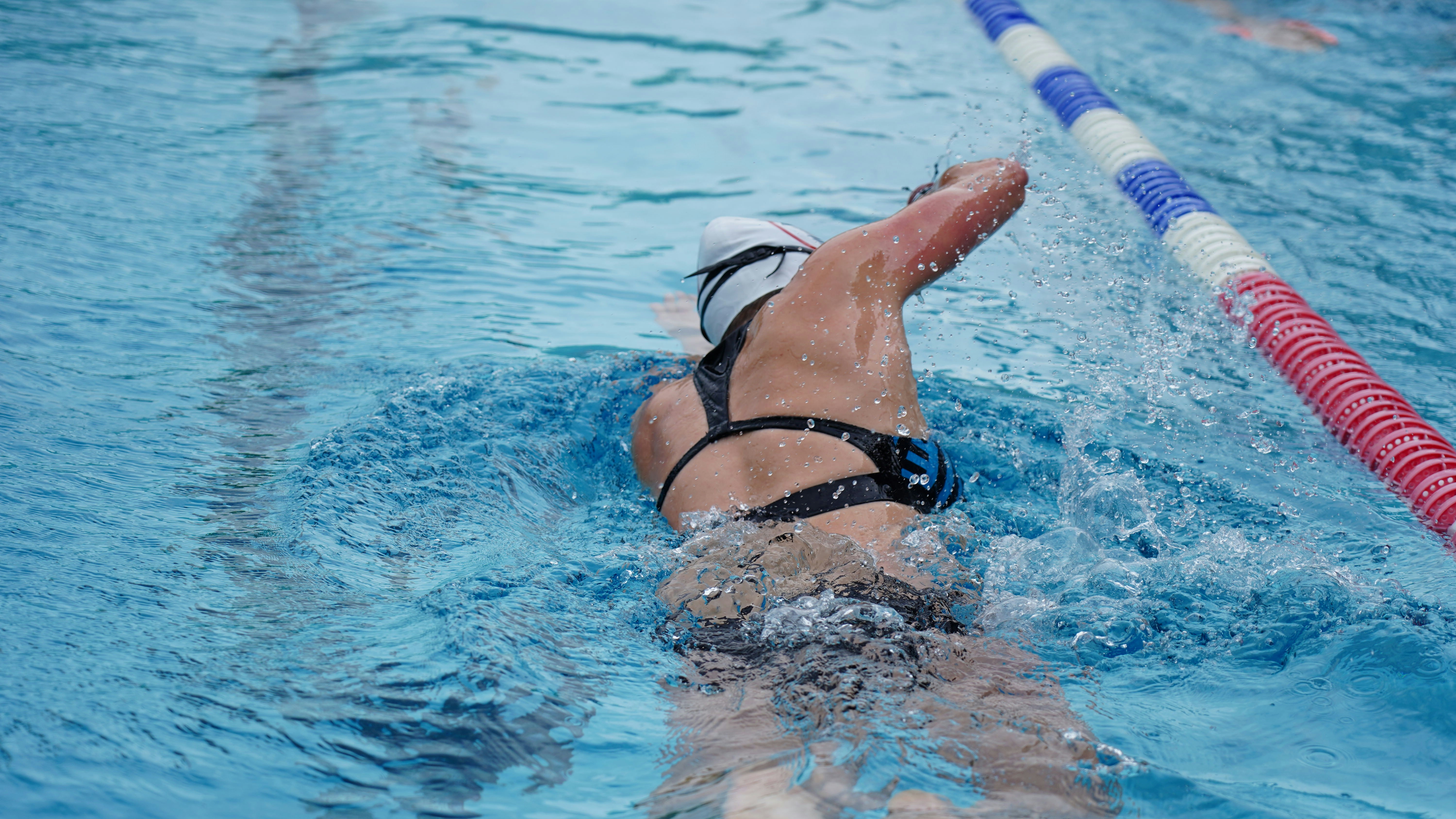
Technical changes can be difficult to make while you’re also trying to prepare for a race. Swimming is a perfect example. If you have inefficient body position, poor breathing mechanics, or problems with your catch, simply adding more yards may reinforce the same technique. The off-season gives you time to slow down and improve how you move.
The same principle can apply to:
Technique work isn’t always exciting. But small efficiency improvements can become meaningful once race-specific volume returns.
Off-season doesn’t have to mean zero endurance training. Easy aerobic work can remain an important part of the plan.
Depending on your goals and recovery needs, you might continue with:
Without constant race pressure, you can focus on building a sustainable aerobic foundation rather than proving your fitness in every workout.
This might be the most valuable off-season goal of all. You don’t need a 15-hour training week to make progress. You need repeatable habits. If you can establish a sustainable routine during the off-season, increasing training later becomes much easier. Consistency gives you something to build on.
Your off-season is also a great time to improve the things surrounding training.
These aren’t exciting race-day strategies. They’re the routines that make race-day performance possible.
The Hidden Skills That Actually Make Endurance Athletes Faster
During race preparation, you often have to prioritize what matters most for the upcoming event. The off-season gives you more freedom to work on weaknesses. Think back over your previous season.
Don’t simply swim more. Work on technique. Improve body position, breathing, catch mechanics, and efficiency.
This may be the time to build cycling consistency and strength without immediately worrying about long race-specific bricks.
Look beyond speed. You may need greater aerobic durability, strength, better pacing, improved fueling, or simply more consistent running.
Make strength a priority now rather than waiting until your race volume is at its highest.
Your weaknesses rarely disappear because another race appears on the calendar. They need deliberate attention.
5 Questions Every Endurance Athlete Should Ask at the End of Their Season
Athletes naturally gravitate toward what they’re good at. Strong runners want to run. Strong cyclists want to ride. Experienced swimmers may happily add more pool volume. That’s understandable. Doing something you’re good at feels rewarding. But your biggest performance opportunity may be somewhere else. The off-season removes some of the pressure to chase race-specific numbers and gives you room to become a more complete athlete.
Ask yourself: What repeatedly limited me this season?
Then give that area time to improve.

A productive off-season doesn’t need to consume your schedule. In fact, this can be the perfect time to restore some balance. Spend more time with family. Take the trip that was difficult during peak training. Try another sport. Sleep later on a Saturday. Move workouts around. Train because you enjoy it. Then gradually introduce more structure as your next season approaches. Endurance training should have seasons. Your life does too.
There isn’t one perfect off-season training plan. A marathon runner’s needs may look different from those of an Ironman triathlete. An athlete coming off a major injury may need something completely different from an athlete who had a healthy season.
But a productive off-season generally includes some combination of:
The exact balance should reflect what you need—not what another athlete is doing.
When athletes think about getting faster next year, they often imagine the hardest workouts they’ll eventually complete. But your next breakthrough may start months earlier.
It may begin with three consistent strength sessions. A better swim stroke. A sustainable running routine. More sleep. Better fueling habits. A body that’s finally had time to recover.
None of those things look particularly dramatic. But that’s how strong seasons are built. Layer by layer.
The off-season isn’t wasted time. And it isn’t simply the gap between your last race and your next training plan. It’s an opportunity. An opportunity to recover from what you just completed. An opportunity to address what held you back. An opportunity to become stronger, more durable, and more consistent before race-specific training begins again. You don’t need to maintain peak race fitness all year. You don’t need to immediately start another massive training block. And you certainly don’t need to prove your fitness every weekend.
What you build now becomes the foundation for what you’ll be capable of next season.