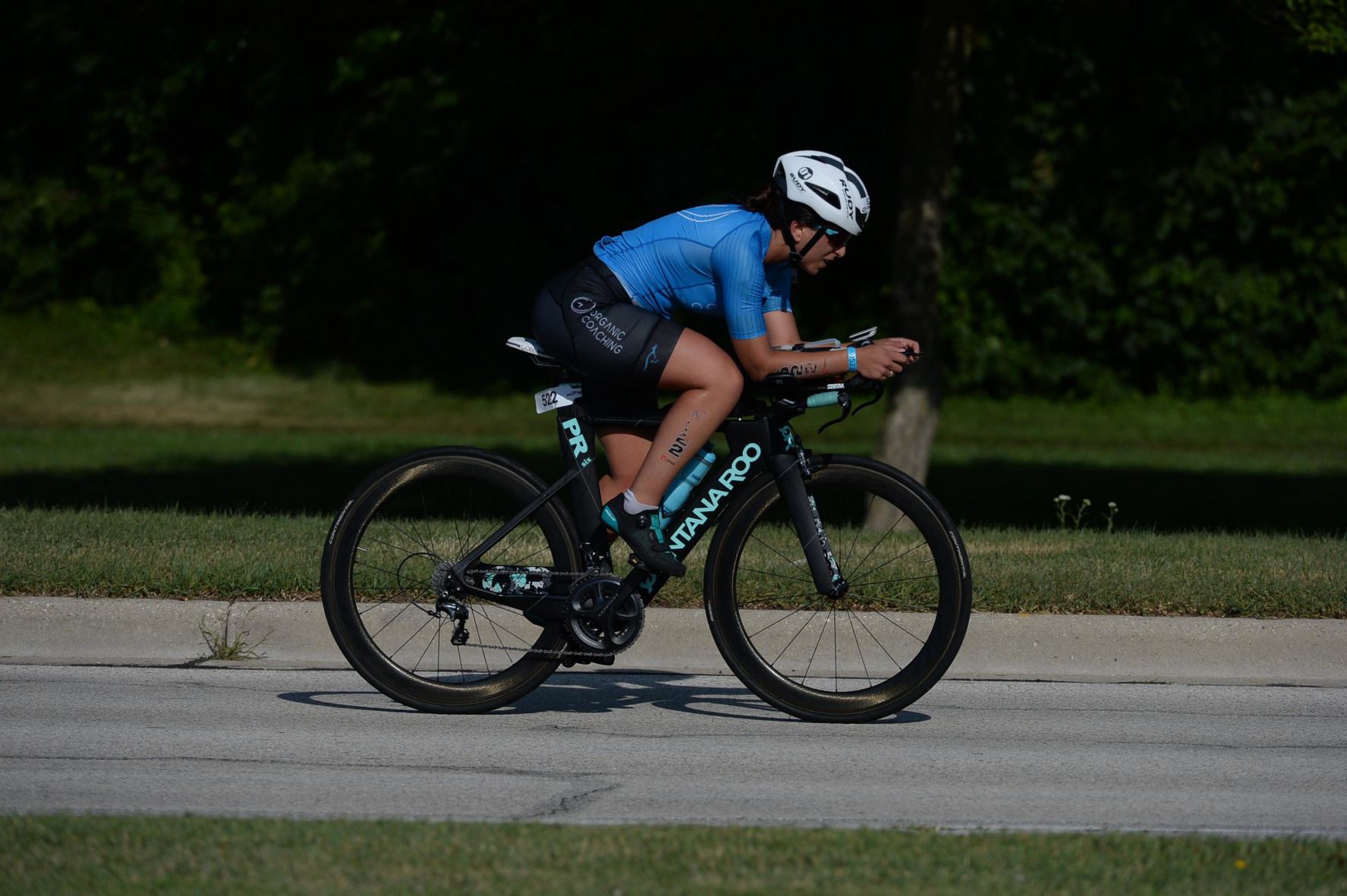



Every endurance athlete wants to feel confident on race morning. Whether you’re standing on the beach before your first sprint triathlon, waiting in the corral of a marathon, or preparing to tackle an Ironman, confidence feels like the one thing you hope shows up when the nerves do. Many athletes spend race week waiting for that feeling to arrive. They think confidence will magically appear after a good taper, an encouraging weather forecast, or one final workout that “proves” they’re ready. But real confidence doesn’t work that way.
Confidence isn’t created during race week. It’s built over months of preparation.
The athletes who race with confidence aren’t necessarily the fastest or the most talented. They’re the athletes who trust the work they’ve already done. If you’re training for a marathon, half marathon, 70.3, Ironman, or any endurance event, understanding where confidence actually comes from can completely change how you approach both training and race day.

Confidence is often misunderstood.
Many people think confidence means:
In reality, even elite athletes experience pre-race nerves and uncertainty. Confidence isn’t the absence of fear. It’s the belief that you’ve prepared yourself to handle whatever race day brings.
True confidence says:
That kind of confidence isn’t built through motivational quotes or positive thinking alone. It’s earned.
Every workout is more than physical training. It’s evidence.
Every early morning alarm you answered. All the long runs you completed. Every swim when you didn’t feel like going. The rides in less-than-perfect weather. Each one becomes another promise you’ve kept to yourself. Those promises accumulate. Eventually they become confidence. Athletes often underestimate how much consistency shapes mindset. When you’ve repeatedly shown yourself that you can do difficult things, race day feels less intimidating because you’ve already overcome dozens of challenges during training.
How to Stay Consistent When Motivation Starts to Fade
One heroic workout rarely changes your fitness. Likewise, one great workout rarely creates lasting confidence. Confidence comes from knowing you’ve consistently done the work. That’s why athletes who train consistently often appear calmer before races. They don’t need constant reassurance because their preparation provides it.
Consistency means:
It’s not about perfection. It’s about repetition. Every completed week reinforces the belief that you’re becoming the athlete capable of reaching your goal.
Why Consistency Beats Intensity in Endurance Training
One of the most overlooked parts of confidence is integrity. Not with other people. With yourself. Every time you tell yourself you’ll complete a workout, and then do it, you strengthen self-trust. Every time you make recovery a priority and you fuel properly. When you choose patience instead of chasing another hard session. You’re reinforcing the belief that you can rely on yourself. That self-trust becomes incredibly valuable during difficult moments in racing.
Because when the race gets hard, you won’t be asking: “Can I do this?” You’ll remember that you’ve already done hard things many times before.
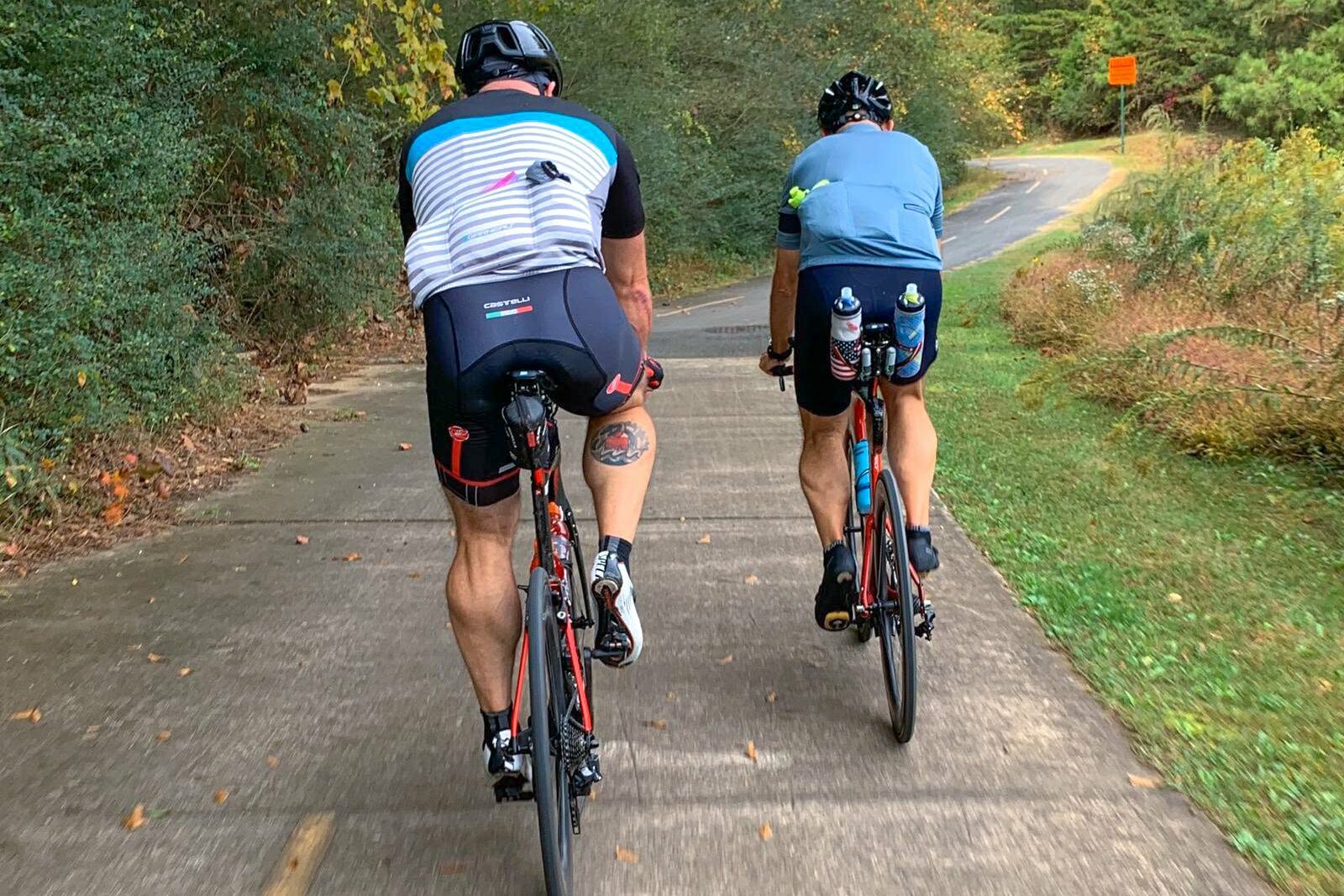
Confidence is difficult to build. Comparison can destroy it in minutes.
Today’s athletes are surrounded by other people’s training.
It’s easy to believe everyone else is training more, faster, or better. But comparison ignores context.
You don’t know:
The only comparison that matters is between the athlete you were six months ago and the athlete you are today. If you’ve trained consistently, improved your habits, and learned from the process, you’re moving in the right direction. Comparison can take attention away from the only preparation that matters: Your own.
Why You Shouldn’t Judge Your Fitness During Peak Training
Instead of asking yourself: “Do I feel confident?”
Ask yourself these questions:
Not perfectly. Consistently.
You know what you’ll eat. You know when you’ll eat it. You’ve practiced it during training.
Your pacing strategy isn’t a guess. It’s rehearsed.
Shoes. Bike. Race kit. Gear. Nothing new.
Sleep. Hydration. Easy days. You’ve respected recovery throughout your training cycle.
You’ve thought through:
Preparation creates confidence because uncertainty becomes smaller.
How to Pace a 70.3 or Ironman Without Blowing Up
One of the hardest parts of race week is resisting the urge to do more.
Many athletes suddenly want to:
These decisions usually come from fear, not preparation. By race week, your fitness has already been built. Your job is no longer to gain fitness. Your job is to trust it. Trust doesn’t mean believing everything will go perfectly. It means believing you’ve prepared yourself to respond well when something unexpected happens. That mindset is far more valuable than trying to control every variable.
Why Race Season Is the Worst Time to Chase Fitness
The athletes who appear calm on race morning didn’t wake up different. They simply have months of evidence behind them.
Evidence that they’ve:
Confidence isn’t built by telling yourself you’re ready. It’s built by proving to yourself, one workout at a time, that you’re becoming ready.
If you’re waiting to suddenly feel confident during race week, you may be waiting for the wrong thing. Confidence isn’t found in a taper. It isn’t created by one perfect workout. Or come from comparing yourself to other athletes. It comes from preparation. From the consistency you’ve built. It comes from keeping promises to yourself over weeks and months of training. When race morning arrives, you don’t need perfect confidence. You only need enough trust to execute the work you’ve already done. Confidence comes from preparation, not perfection. Focus on building that preparation every day, and race-day confidence will take care of itself.
Learn how Organic Coaching helps athletes build confidence through consistent training