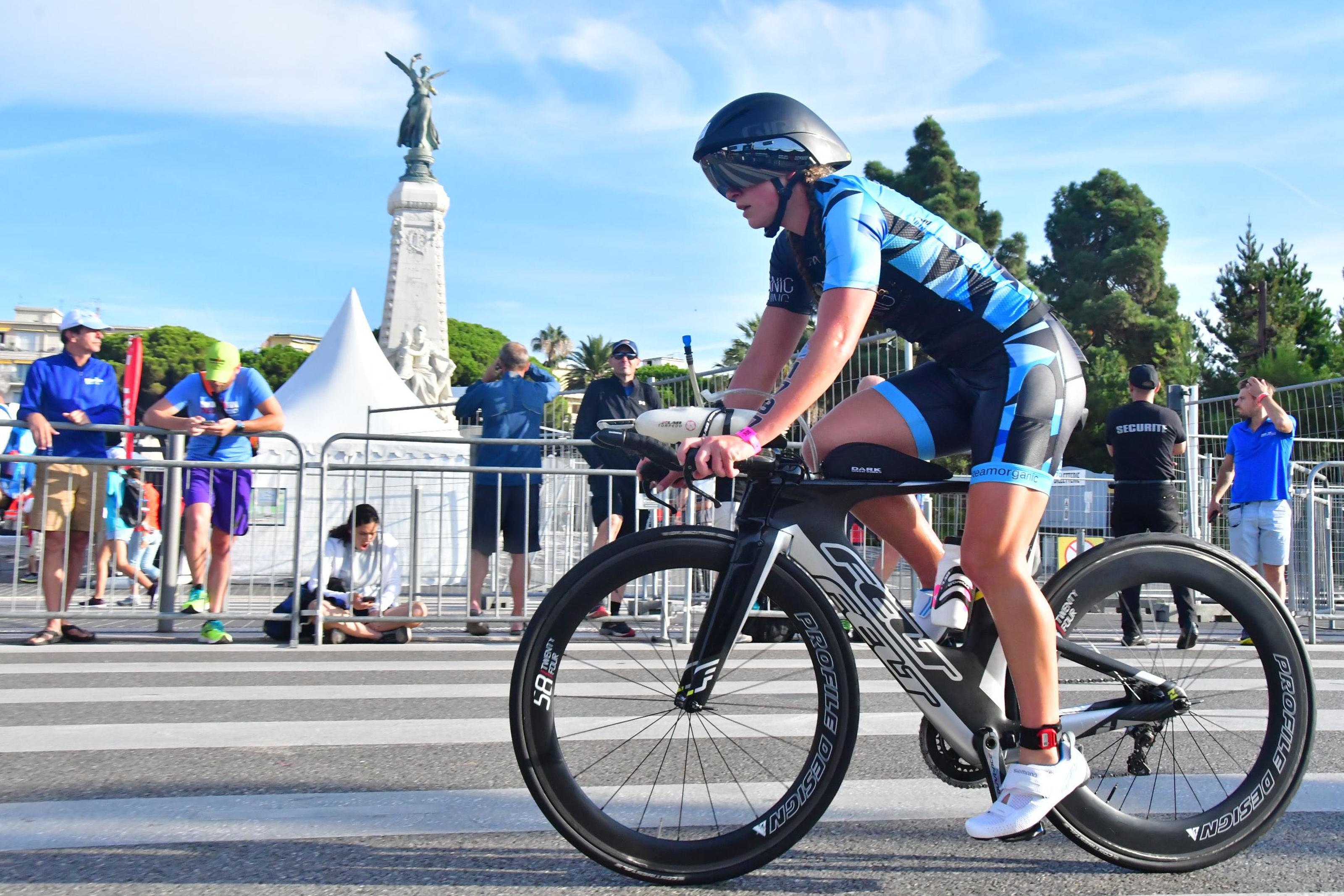

For months, everything revolved around race day. You followed the training plan. You completed the long workouts. You practiced your fueling. You tapered. You packed your gear. And finally, you crossed the finish line.
Now what?
Post-race recovery is one of the most overlooked parts of endurance training.
Runners and triathletes often know exactly what to do during the final weeks before a marathon, Ironman 70.3, or Ironman—but have almost no plan for what happens afterward. Some athletes stop moving completely. Others wake up two days later and immediately start worrying about losing fitness. And some sign up for another race before their legs have stopped hurting.
Effective recovery requires more than simply taking a few days off. Your muscles, connective tissue, energy stores, nervous system, and mind have all been through significant stress. What you do next can influence how quickly you recover, how healthy you remain, and how successfully you transition into your next training cycle.
Here’s how to approach post-race recovery after a marathon, 70.3, Ironman, or other endurance event.
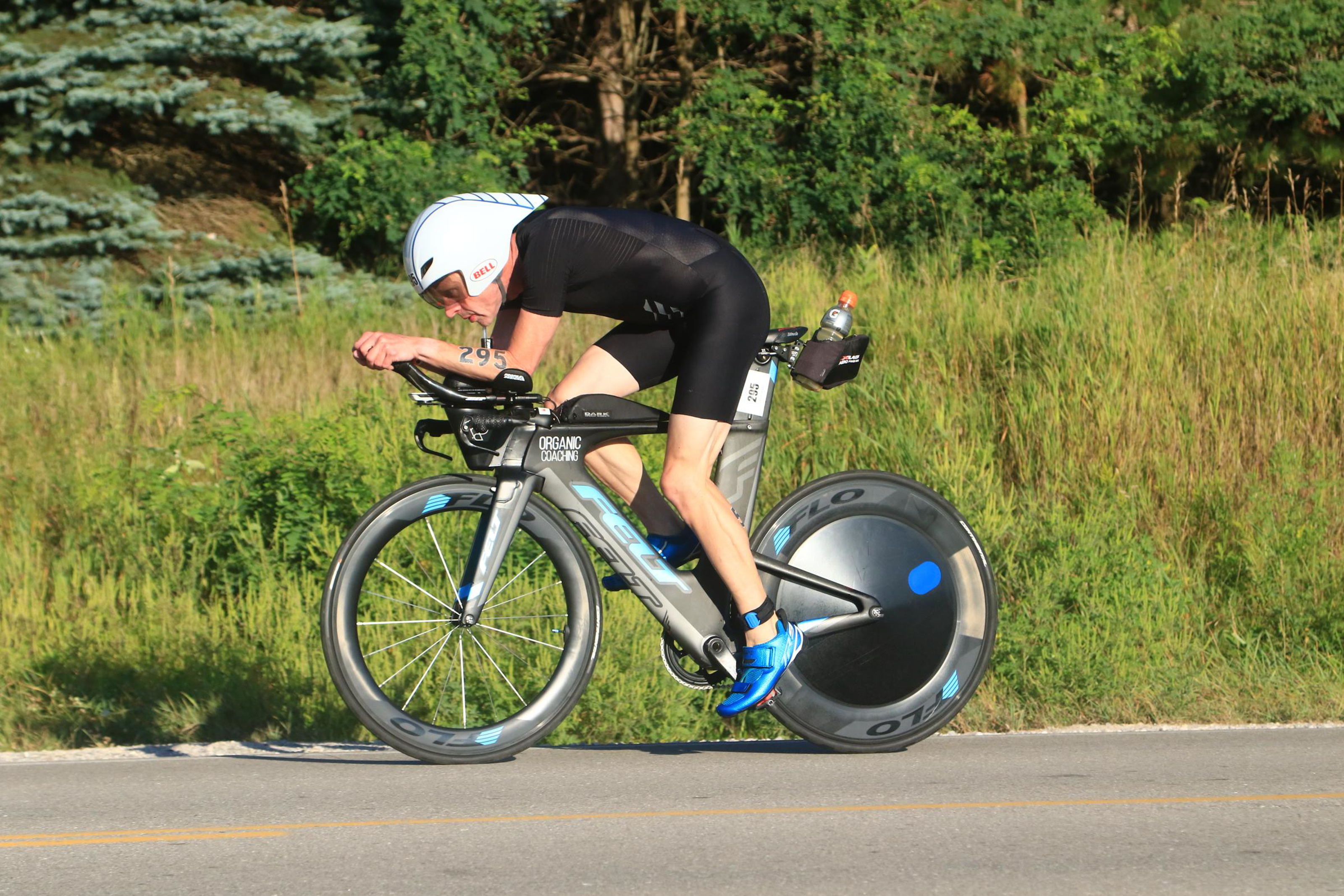
The first two days after your race aren’t about training. They’re about beginning the recovery process.
You may cross the finish line dehydrated even if you executed a good hydration strategy. Continue drinking fluids throughout the remainder of race day and the following days. Include electrolytes when appropriate, especially after racing in hot conditions or when you’ve experienced significant sweat losses. Don’t treat hydration as something that ends when you cross the finish line.
Your appetite may be unpredictable immediately after a long race, but your body needs energy.
Prioritize a combination of:
Don’t intentionally restrict food because you’re no longer completing high-volume training. Your body is still doing significant work; it is repairing itself.
One of the best post-race recovery strategies is also one of the simplest. Sleep. You may not sleep perfectly the first night after a major endurance race. Elevated stress, soreness, travel, and a late finish can all interfere. Instead of worrying about one night’s sleep, prioritize sleep opportunities over the next several days.
You don’t necessarily need to spend the next 48 hours on the couch. Gentle walking can help you loosen up and restore normal movement. The important distinction is that you’re moving to recover, not exercising to maintain fitness. A short walk because it feels good is very different from forcing yourself through a recovery run because you’re afraid of losing fitness.
This one matters. Race-day emotions can be intense. Maybe you crushed your goal. Maybe you missed it. Maybe something completely outside your control changed the race. Give yourself time before deciding what the result means. You don’t need to analyze every split on Sunday night. Eat. Hydrate. Sleep. Spend time with the people who supported you. There will be plenty of time to evaluate the race once the emotional and physical fatigue settles.
Why Athletes Underperform on Race Day (Even When They’re Fit)
The first week of marathon or triathlon recovery should be guided by how you’re recovering, not by how quickly you want to return to training.
Walking can begin as soon as it feels comfortable. Short, relaxed walks during the first few days can provide gentle movement without creating meaningful additional training stress. There is no mileage goal. You’re not trying to build fitness.
As soreness decreases, some athletes may benefit from easy:
Keep the effort truly easy. This isn’t the time for intervals, progression runs, hard group rides, or secretly testing whether your legs have returned.
How to Recover Between Races Without Losing Fitness
One of the biggest post-race recovery mistakes is assuming: “I’m not sore anymore, so I’m recovered.”
Muscle soreness is only one signal. An athlete can have minimal soreness while still carrying substantial fatigue.
Pay attention to the bigger picture:
This is especially important after long endurance events. Your cardiovascular system may feel ready to train before your muscles and connective tissues are fully prepared for another significant training load. Feeling better is a good sign. It isn’t automatically permission to resume normal training.
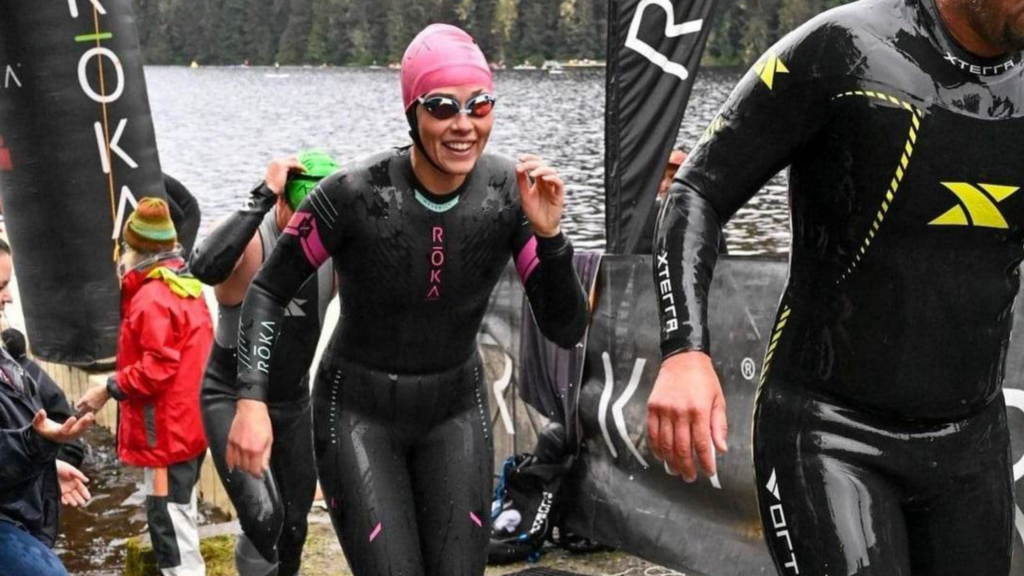
There isn’t one perfect post-race recovery timeline.
The race matters, but so does the athlete.
A marathon, Ironman 70.3, and full Ironman create different types and amounts of stress.
Running a marathon creates substantial musculoskeletal stress because of the repetitive impact of 26.2 miles. Many runners benefit from several days without structured running followed by a gradual return based on soreness, energy, and overall recovery. Don’t rush back simply because your breathing feels good.
A 70.3 creates fatigue across three sports, but the recovery process can vary significantly depending on race experience, effort, course difficulty, weather, and training history. Easy swimming or cycling may feel appropriate before running does because they’re lower impact.
A full Ironman requires greater patience. The combination of a 2.4-mile swim, 112-mile bike, and marathon creates significant metabolic, muscular, and mental stress. Returning to structured training should be gradual, and athletes shouldn’t be surprised if full recovery takes considerably longer than expected. There is no prize for being the first person back to intervals.
The Hidden Skills That Actually Make Endurance Athletes Faster
You’ve spent months with a target. Then suddenly it’s gone. Monday morning arrives, and there isn’t another big workout waiting for you. For some athletes, that feels uncomfortable. So they solve the problem by immediately registering for another race.
A new goal isn’t inherently bad. But ask yourself: Am I choosing my next race because I’m genuinely excited about it—or because I don’t know what to do without a training goal?
The post-race period provides an opportunity to evaluate:
You don’t have to immediately fill the empty space on your calendar. Sometimes a few weeks without a major goal is exactly what creates excitement for the next one.
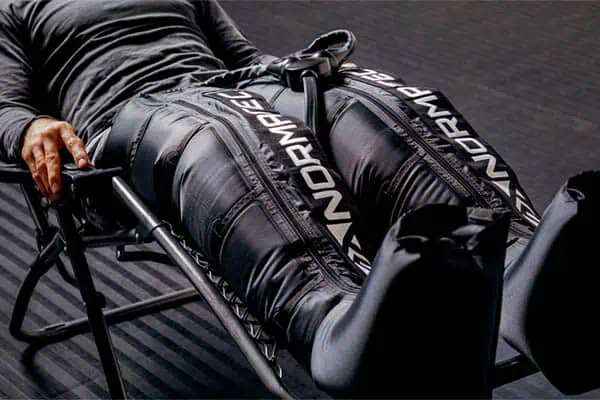
Physical recovery gets most of the attention after endurance races. Mental recovery matters just as much. Months of structured training require tremendous focus. You’ve organized weekends around long workouts. You’ve made decisions around sleep, nutrition, travel, and training. You’ve thought about race day repeatedly. Then suddenly it’s over. It’s normal to experience a post-race emotional dip, even after a successful race.
You may feel:
That doesn’t automatically mean something is wrong with your fitness. You may simply need a mental break. Sometimes an athlete is physically ready to train before they’re mentally ready to train seriously again. Respect both.
How to Stay Consistent When Motivation Fades
Your return should be progressive.
Think: Recovery → easy movement → normal frequency → normal volume → intensity.
Not: Race → three easy days → normal training.
Give your body an opportunity to show you how it’s responding at each step. If easy movement feels good, gradually progress. If fatigue, soreness, poor sleep, or unusual discomfort returns, that’s useful information. Adjust. This is one reason individualized endurance coaching can be especially valuable after races. The correct recovery plan isn’t determined solely by the distance you raced. It should also consider your training history, race effort, upcoming goals, life stress, and individual recovery response.
What Unlimited Coach Communication Really Means (And Why It Matters)
You don’t lose your identity as an athlete when you recover. And you don’t lose months of fitness because you gave your body time to repair itself after a major race. Recovery is part of the process that allows training and racing to actually work. The goal isn’t to see how quickly you can get back to normal. It’s to give yourself enough recovery that when you return, you’re actually ready to move forward. Give your body time to absorb what you just asked it to do. Your next training cycle will be better because of it, not despite it.
Work with an endurance coach who adjusts training around your recovery and real life