
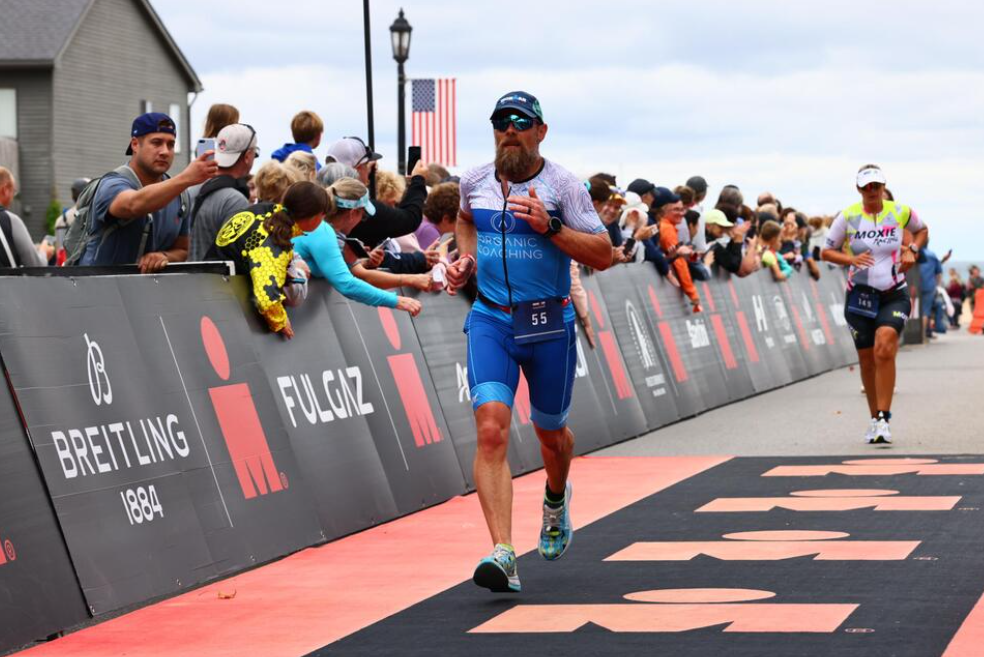
You trained for months. Your numbers improved. Workouts felt strong. And yet, on race day, you didn’t perform the way you expected. This is one of the most frustrating (and common) experiences in endurance sports: Being fit… but not racing well. Why athletes underperform on race day.
Whether you’re preparing for a marathon, half marathon, Ironman 70.3, or Ironman, the gap between fitness and performance often comes down to one thing:
Execution.
Race day doesn’t reward the fittest athlete.
It rewards the athlete who executes best under pressure.
Let’s break down the real reasons athletes underperform, and how to close the gap between training fitness and race-day results.
Fitness is your potential. Execution is how much of that potential you actually use on race day.
Many athletes assume:
“If I’m fit enough, the race will take care of itself.”
But race day introduces variables that training doesn’t fully replicate:
These factors amplify mistakes.
Even small errors in pacing, fueling, or decision-making early in the race can lead to large performance drops later. This is why two athletes with similar fitness can have vastly different race results. Execution bridges that gap.
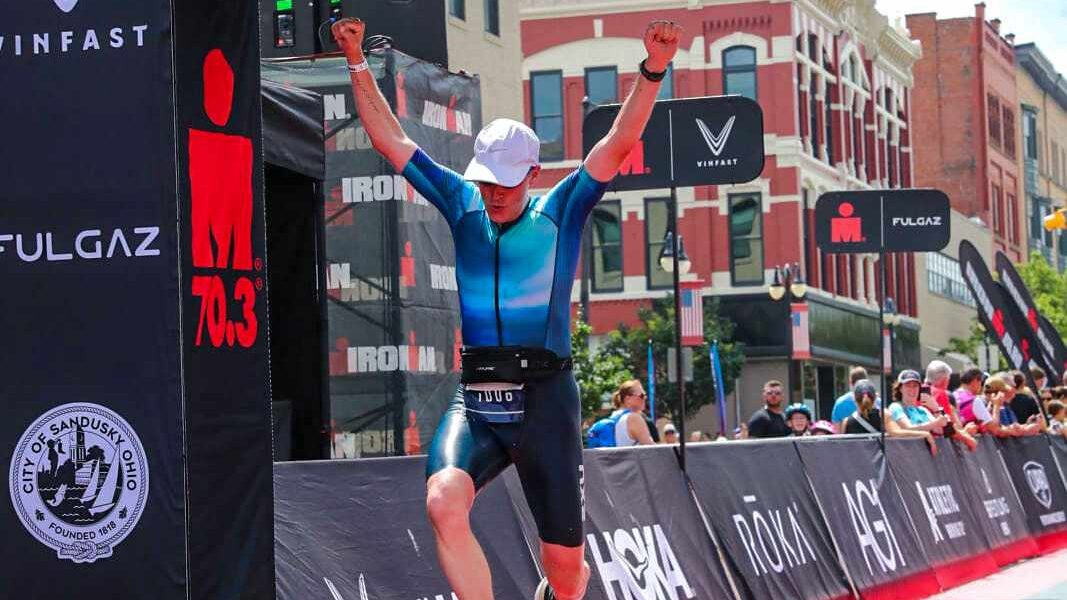
The most common race-day mistake is also the simplest: Starting too fast.
It happens at every distance:
Why? Because the early effort feels easy.
Adrenaline masks effort. Crowds create energy. Competition triggers ego. But the physiological cost is real.
Starting too fast leads to:
And the consequences show up later:
Strong races are rarely built in the first third. They’re protected there.
Another major reason athletes underperform is poor fueling strategy.
Even well-trained athletes often:
The problem? Fueling is proactive, not reactive. Once energy drops, it’s difficult to recover.
Common fueling mistakes include:
These mistakes lead to:
For half marathon, marathon and 70.3 and full Ironman athletes, fueling directly impacts:
Race-day fueling isn’t separate from training. It’s an extension of it.
This is the mistake athletes rarely talk about, but almost everyone experiences. Emotional overpacing.
It happens when:
Emotions on race day are amplified:
Without control, those emotions drive decisions.
And those decisions often lead to:
The cost is delayed, but inevitable. Emotional discipline is just as important as physical fitness. The best athletes don’t eliminate emotion. They regulate it.
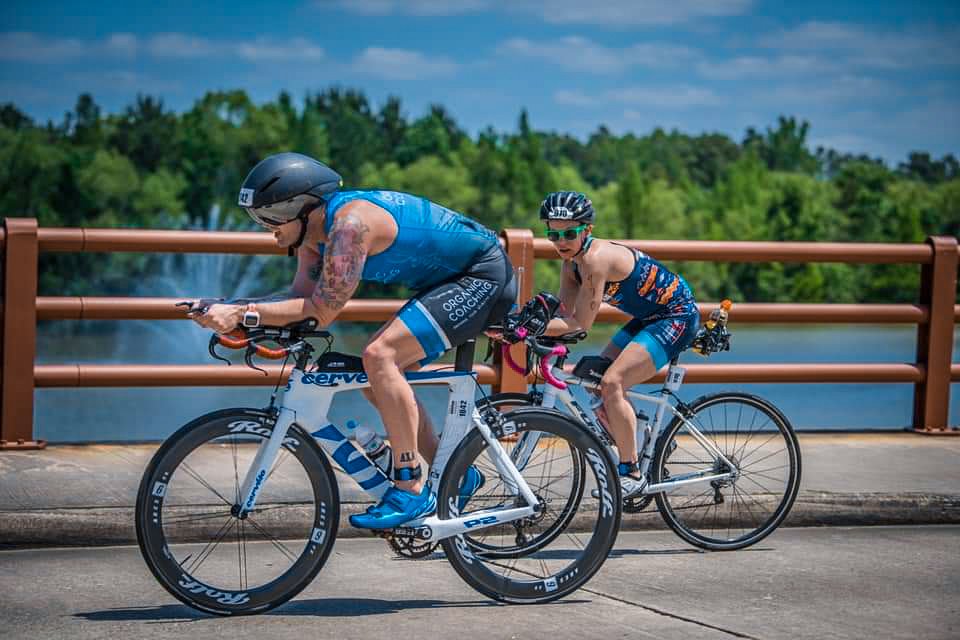
One of the most overlooked reasons athletes underperform. They don’t have a clear race plan. Or if they do, it’s too vague.
A strong race plan includes:
Without clarity, athletes:
Clarity removes guesswork.
It allows athletes to:
The best race plans are not just written. They’re rehearsed.
Even experienced athletes struggle with execution…Why?
Because race day introduces:
In that state, athletes default to habits, not intentions. If pacing, fueling, and restraint haven’t been practiced in training, they’re difficult to execute in racing.
This is why:
Execution isn’t something you turn on. It’s something you train.

If you want to perform to your fitness level on race day, focus on:
Train at prescribed intensities. Avoid turning workouts into races.
Practice race-day fueling during long sessions, consistently.
Include race-pace efforts and bricks (for triathletes) in your build.
Know your pacing, fueling, and mental strategy before race day.
Learn to stay steady, regardless of how you feel early in the race.
Execution improves when it becomes intentional.
Underperformance isn’t usually about lack of fitness.
It’s about:
These are fixable. And often, they unlock more performance than adding more training ever could.
If you want your next race to reflect the work you’ve put in, focus less on doing more, and more on executing better.