Peri and post menopause doesn’t have to mean slowing down or stepping away from sport with some simple nutritional adjustments you can be training and racing for years to come!
So here’s the nitty gritty, as women age they come more sensitive to carbohydrates and have a harder time digesting and metabolizing them, especially fructose (fruit sugar). So what does this mean? This means less fructose is converted to glucose and available for energy. Do you ever find yourself fueling with sports drinks, gels, gummies, “normal” sports nutrition products but you still feel tired and lacking energy at the end of a long workout or having GI distress? If this sounds like you here’s what’s happening.
All the carbohydrate heavy sports nutrition isn’t being absorbed, it’s sitting right in the gut. With the carbohydrates sitting in the gut, it’s pulling in water from the blood into the intestines, which is causing the GI distress. On top of that, most likely proper amounts of hydration and fuel isn’t being consumed which is leading to lingering fatigue and less than ideal recovery.
What to do? The very first thing is to change carbohydrate intake to avoid fructose and add more protein into your diet. The second thing is to become more aware of nutrient timing before and after training sessions. You want to make sure you are consuming branched-chain amino acids (BCAAs) or whole protein before and after every single training session. Before: Take 15 grams of whey isolate or 9 grams of BCAAs 30 minutes before training.
After: Consume 40 grams of whey isolate or whole protein within 30 minutes of finishing your training session. Then during training sessions its most ideal to separate out hydration from calories. Having water or electrolytes for hydration and carbohydrates from food sources that are low in fructose to minimize GI distress. Sometimes aiming for a lower carbohydrate intake between 40-50 grams per hour and increase calorie intake with mixed macronutrients foods that contain a balanced amount of fats, protein, and carbohydrates.
To talk specifically about recovery and post exercise nutrition, as a female post exercise whey protein is most ideal. It’s better for making muscle because it’s higher in amino acid leucine. After high intensity exercise or long duration training sessions muscle tissue is being broken down. We want to stop that process as quickly as possible and start to stimulate repair and growth. To do this and recover you need to take in high enough amounts of leucine to shut down the breakdown process. The more leucine you get into your system the faster the tissue levels rise and the more quickly your muscles get the signal to start the repair and growth process. The general recommendation is to consume 35-40 grams of whole protein at any given meal, the leucine content should be 2.5 to 3 grams.
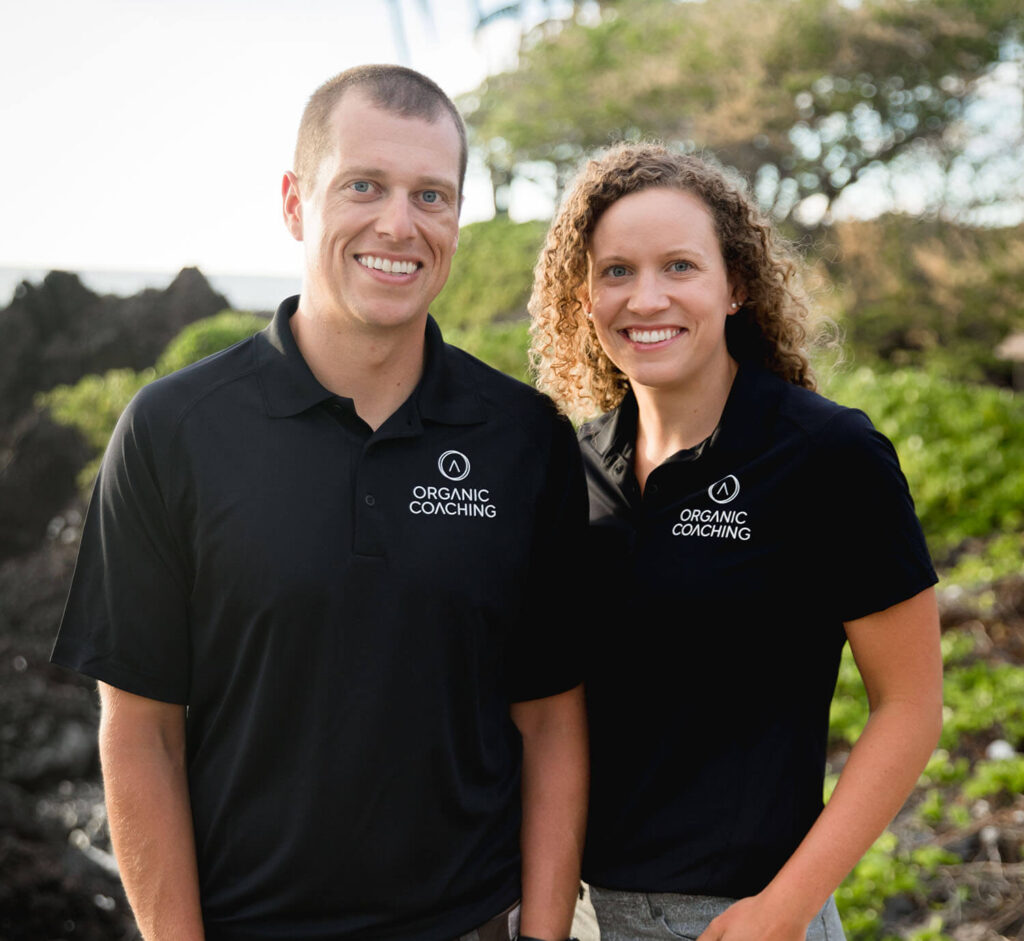
Carly and Tyler Guggemos built Organic Coaching in 2014 with a simple philosophy that works. The idea is to take what you have and grow it to get faster, fitter and stronger. And to do it with the time you have – not the time you wish you had.