

Racing season is here, and for many athletes, this is the culmination of months of training. Whether you’re chasing a half marathon, full marathon, 70.3 triathlon, or other endurance events, the final weeks leading up to your race are critical. The key to showing up fresh, strong, and ready to perform is tapering smart.
Tapering isn’t about doing less training randomly—it’s about reducing training volume while maintaining intensity in a strategic way to allow your body to recover, repair, and maximize fitness. Done correctly, tapering can lead to personal bests, smooth energy on race day, and a confident mindset. Done incorrectly, it can leave you feeling sluggish, undertrained, or anxious.
Here’s how to taper smart for your fall race.
Before diving into specifics, it’s important to understand why tapering works. The primary goals of a taper are:
Research shows that a properly executed taper can improve race performance by 2–5%, sometimes more. For competitive athletes, this small boost can make the difference between achieving a PR or just missing it.
The length of your taper depends on the race distance and your training background:
| Race Distance | Typical Taper Length | Notes |
|---|---|---|
| 5K–10K | 7–10 days | Shorter taper since the race is less taxing. |
| Half Marathon | 10–14 days | Gradual reduction in mileage but maintain intensity. |
| Marathon | 2–3 weeks | Reduce mileage by 20–30% each week; maintain some longer runs. |
| Ironman 70.3 | 2–3 weeks | Reduce overall volume but include key swim, bike, and run sessions. |
| Ironman 140.6 | 3–4 weeks | Significant volume cut; maintain short bursts of race pace intensity. |
Key takeaway: Start tapering 2–3 weeks before a fall race, with longer endurance events needing a longer taper.
One of the most common taper mistakes is cutting both volume and intensity. If you reduce intensity too much, you may feel sluggish and lose your sharpness.
Pro Tip: Include some race-pace segments in your long runs during the taper. This keeps your body familiar with target effort without causing fatigue.
Think of your taper as “less but better.” Focus on maintaining the quality of workouts while cutting the quantity.
Key Principle: Avoid adding extra workouts to “compensate” for reduced mileage. More training during the taper will only increase fatigue.
The taper is the perfect time to let your body do the work it’s been preparing for:
Sleep: Aim for 7–9 hours per night and consider short naps if needed.
Nutrition: Focus on nutrient-dense meals and ensure adequate carbohydrate intake, especially in the final week to top off glycogen stores.
Hydration: Stay consistent with fluids. Even mild dehydration can affect race performance.
Mobility & Strength: Reduce heavy strength sessions but maintain light bodyweight or mobility work to stay loose.
Pro Tip: Use this time to experiment with race-day nutrition in small workouts, so you’re confident in your fuel and hydration plan.
Tapering can feel strange—some athletes feel restless, sluggish, or anxious. Here’s how to handle the mental aspect:
Stay Active, Not Overactive: Short shakeout runs or light cycling help maintain fitness without fatigue.
Visualize Success: Mental rehearsal of race day helps reduce anxiety and improves focus.
Stick to the Plan: Trust the taper process. Remember, your peak fitness has been built over months of training.
It’s common to experience temporary changes during the taper:
Heaviness or Sluggishness: Your legs may feel heavy for a day or two—this is normal.
Restlessness: Reduced training can make you anxious; schedule easy walks or light mobility exercises.
Appetite Changes: Some runners feel hungrier due to reduced calorie burn—listen to your body.
These symptoms usually resolve within 48–72 hours as your body adjusts.

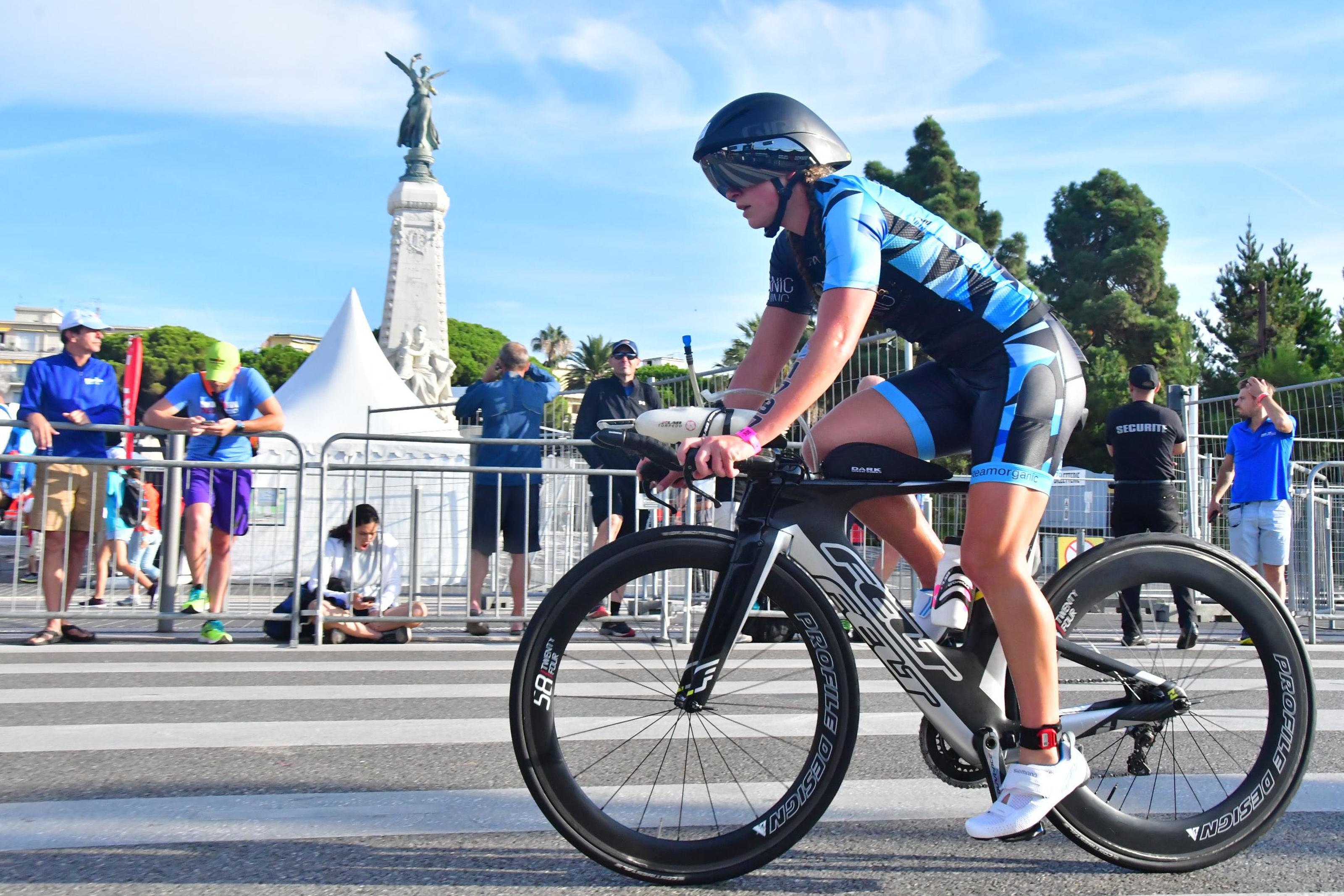
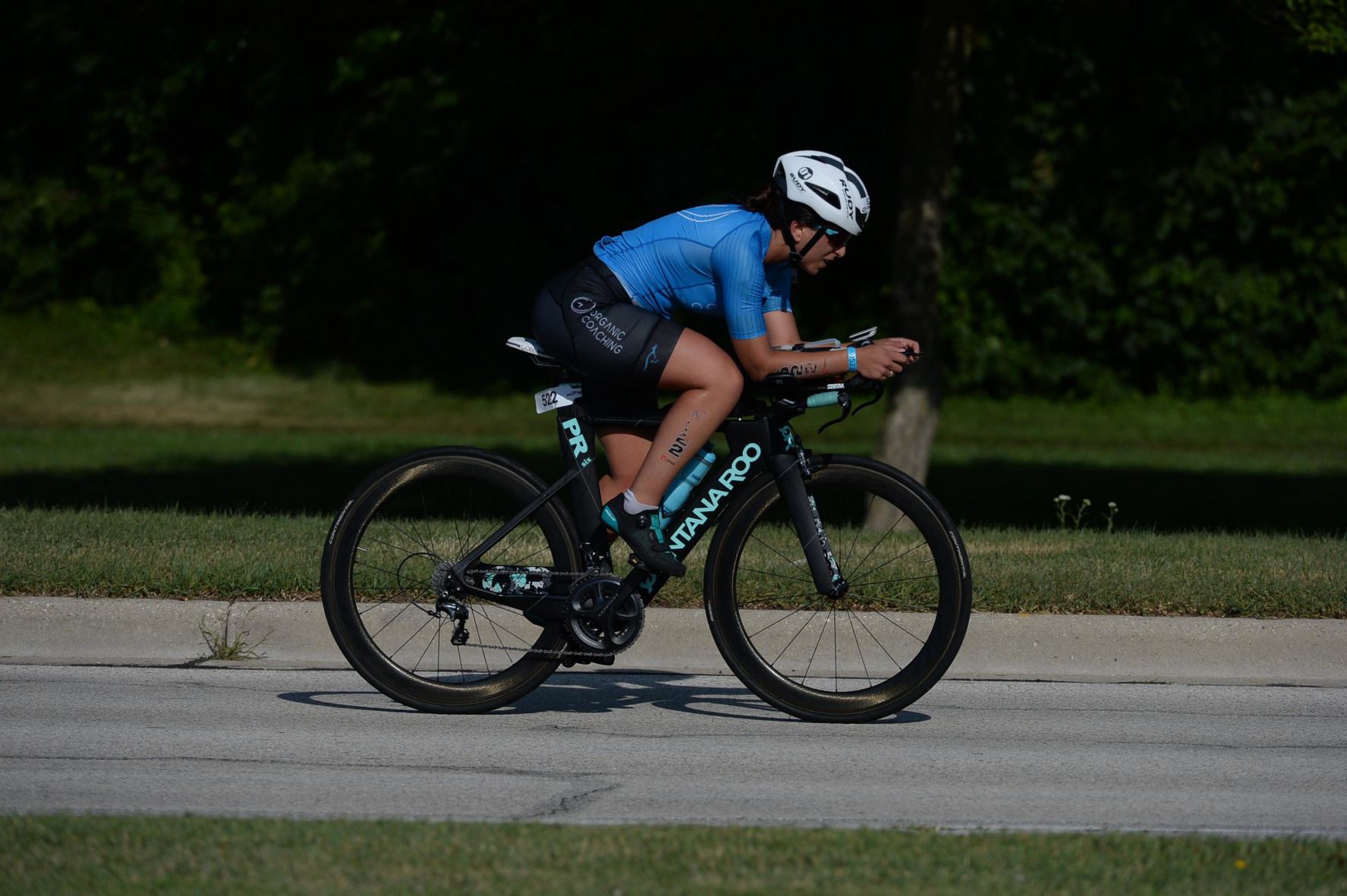
For triathletes, tapering requires balancing three disciplines: swim, bike, and run.
Brick sessions: Reduce the length but maintain the feel of transitioning from bike to run.
Tapering is an art and science. Done smartly, it allows your body to recover, recharge, and show up ready to perform at its best. Reduce volume, maintain intensity, focus on recovery, and trust the months of hard work you’ve put in.
This fall, taper smart and watch how much smoother and faster your race feels. Remember: training makes you fit, taper makes you fast.